About Brian Teller
The voice behind Ship It Weekly.
- 59Episodes published
- 25+Years in production
- 2Industry ambassadorships
The story behind Ship It Weekly
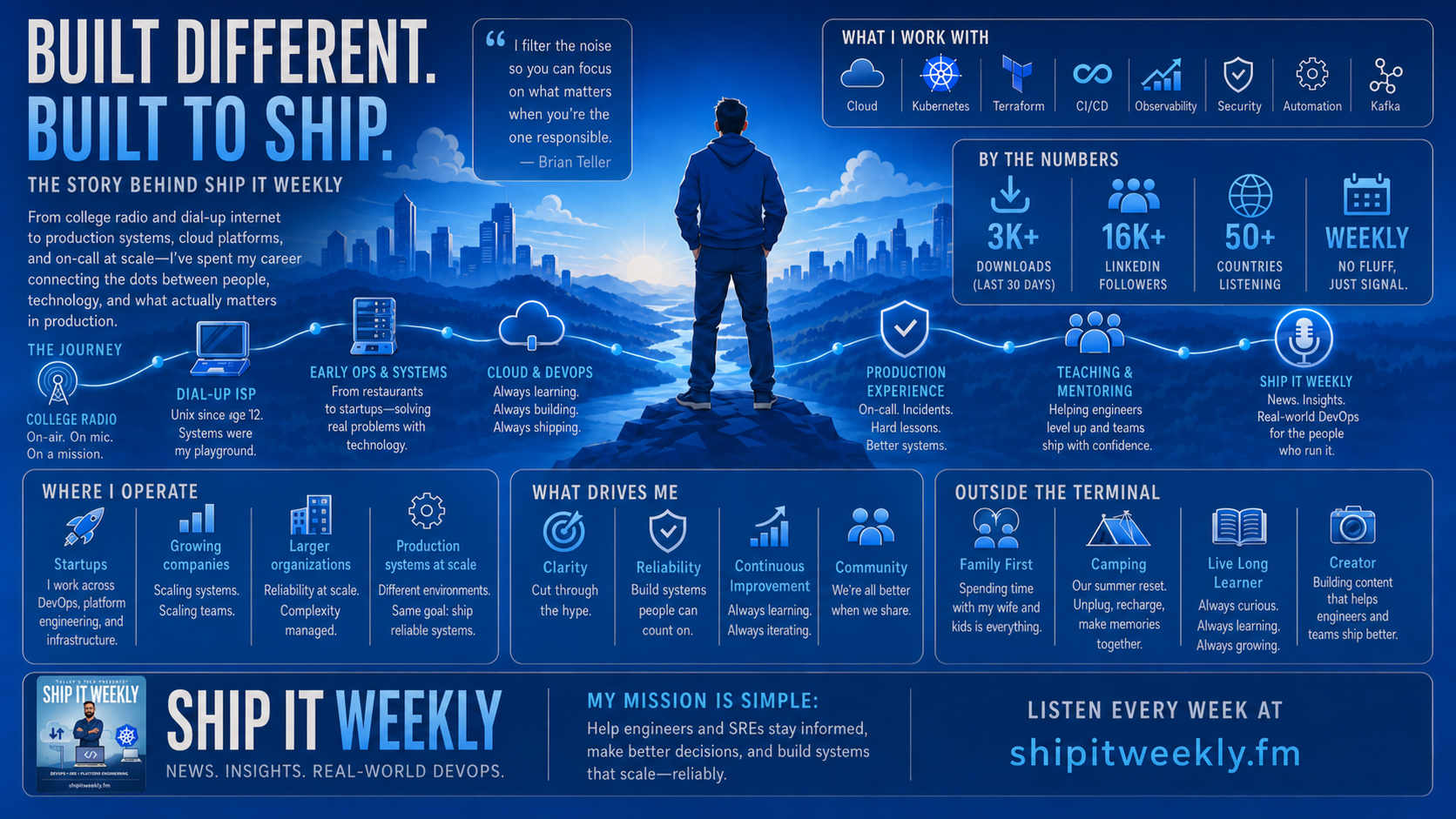
The short version, at a glance — the career, the toolkit, and the mission behind the show. The full story is just below.

Why Ship It Weekly exists
Brian started Ship It Weekly because most tech news does a decent job saying what happened, but not always why it matters to the people who actually have to run the systems afterward. A new cloud feature, a GitHub outage, a security advisory, an AI tooling release, a supply chain incident, a Kubernetes change, or a weird platform failure can all sound interesting in a headline. For the people on-call, managing infra, supporting developers, watching costs, and trying not to break production on a Friday, the real question is usually simpler: What does this mean for my team? That is the lens Brian brings to every episode.
Brian has spent years working in real production environments across cloud, infrastructure, automation, and reliability. Day-to-day work has covered Terraform and Terragrunt, AWS, Kubernetes, EKS, Kafka, CI/CD, GitHub, incident response, infrastructure guardrails, cost management, platform patterns, and the messy operational details that rarely show up in clean conference demos. Brian has worked as both a hands-on engineer and a technical mentor, helping teams make better decisions around infrastructure design, reliability, security, and delivery.
Ship It Weekly is built for the engineers, SREs, platform teams, DevOps folks, cloud engineers, technical leaders, and curious practitioners who want more than a headline recap. The show filters the noise down to the stories that matter for infrastructure, reliability, security, cost, engineering workflows, and production operations. Some weeks that means a major outage. Some weeks it means digging into GitHub Actions, AI agents, Terraform, Kubernetes, AWS, supply chain risk, or why a "small" tooling change can become a very big production problem.
Brian's style is practical, opinionated, and grounded in the reality of doing the work—not trying to sound like an analyst reading market notes. The focus is tradeoffs, failure modes, operational risk, team impact, and the "okay, what should we actually do with this?" part that often gets skipped.
That usually means asking questions like: Does this change how we build pipelines? Does this affect our blast radius? Should we be tightening permissions? Is this a real platform shift, or just vendor noise? What would I want my team to know before this becomes our incident?
Outside Ship It Weekly, Brian creates DevOps and cloud engineering content through Teller's Tech, with a focus on practical education instead of lab-only demos. The goal is to help engineers connect concepts to the kind of decisions they actually face in production: how to structure Terraform, how to think about reliability, how to avoid fragile automation, how to use AI without outsourcing judgment, and how to build systems that teams can safely operate over time.
At its core, Brian's work is about making infrastructure and operations conversations more useful. Less hype. Less vague "best practices." More context, more judgment, and more respect for the people carrying the pager.
Track record: production systems, leadership, and communication
Production infrastructure
Brian has co-led large-scale AWS → GCP migrations and owned Kafka platform engineering through vendor transitions (Confluent Cloud → MSK → Confluent Cloud with private networking), including Schema Registry and MirrorMaker2 / Replicator during cutover windows. He has supported public-company readiness from an infrastructure and platform angle, run SOC2 evidence programs across multiple audit cycles, and helped prepare teams for SOX expectations. Earlier in his career he operated AWS at depth and contributed heavily to PCI and SOC2 programs in HIPAA-certified environments, and he has led disaster recovery work with explicit RTO/RPO targets. As CTO of a digital-signage company, he led a zero-downtime migration to the cloud.
Leadership under pressure
Brian has operated as CTO and engineering manager, leading technical programs where clarity and accountability matter as much as architecture. Earlier leadership experience included running high-volume restaurant operations with teams up to ~60. Different domain, same lessons in shift orchestration, standards under stress, and customer-visible incidents when something breaks in front of the customer.
Early technical roots
Brian's first paid work in tech came during high school at fred.net (later xecu.net), a Frederick-area dial-up ISP doing front-line support, Unix administration, colo, and customer website hosting. In high school he also managed Unix mail servers and was president of the web club. He has been doing production-minded tech work since before DevOps was a job title.
Broadcast and communication
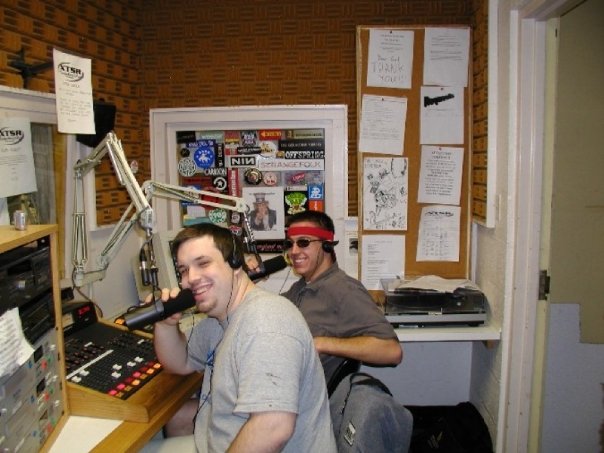
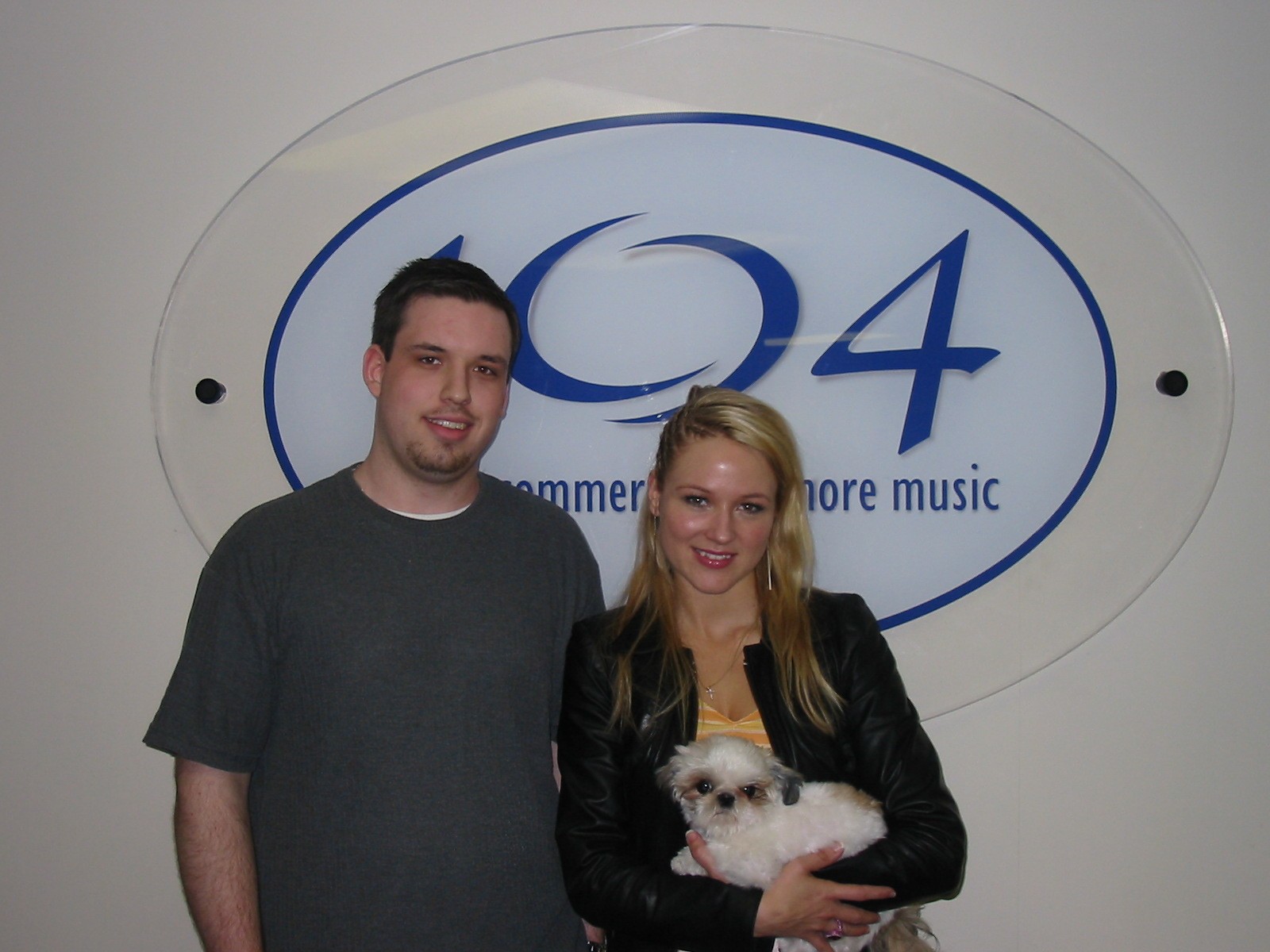
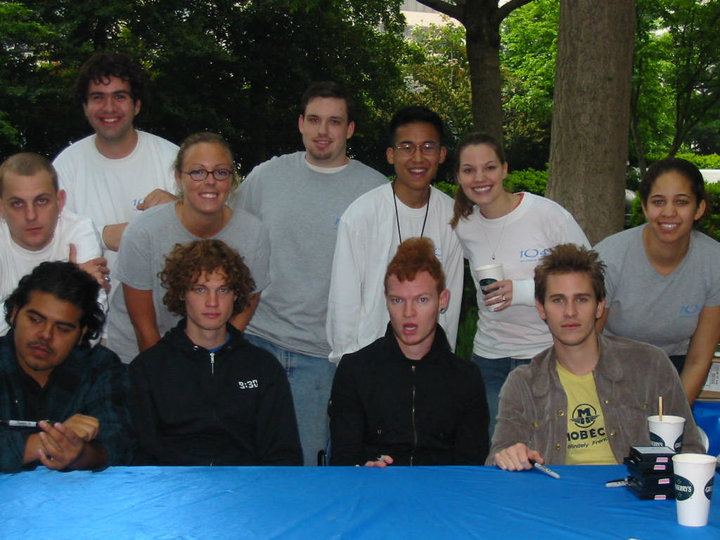
Brian came up through radio: a college show on XTSR at Towson University with a dormmate; intern to associate morning show producer at a major Washington, DC station (then Z104 / WWVZ–WWZZ); hosted evening (7–11pm) and Sunday mornings on Key 103.1 in Frederick, Maryland; and spent years as a mobile DJ for schools, weddings, and events. Live timing, reading a room, and staying composed when things break on air. Photos and audio from that era are below in On air & behind the mic.
Outside work
Brian coaches youth football. Married, four kids. Fundamentals, repetition, and calm communication carry the same whether you are on a sideline, in a war room, or at the dinner table.
On air & behind the mic
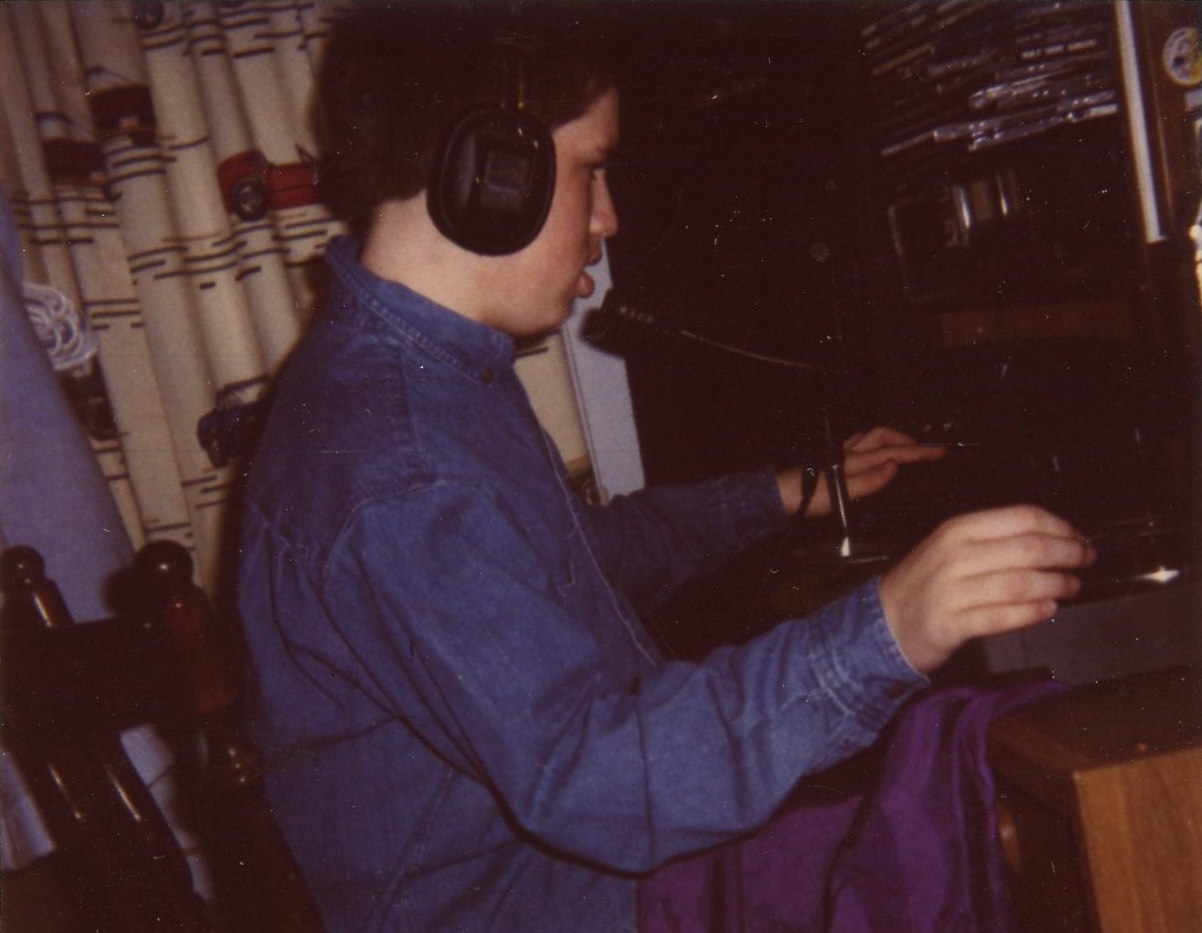
Before infrastructure leadership and podcast hosting, Brian came up through college radio, major-market production in Washington, DC, and Frederick’s Key 103.1 — plus years as a mobile DJ. The photos and audio clips below are archive samples from that era (roughly 15–20 years ago). For how he sounds today on DevOps and platform topics, listen to Ship It Weekly.

Audio samples
-
XTSR promo
Junior year at Towson University — college show on XTSR with a dormmate.
-
Quiznos commercial
Key 103.1, Frederick, Maryland — on-air commercial voice work.
-
Carroll Manor Fire Company commercial
Key 103.1, Frederick, Maryland — on-air commercial voice work.
-
Pentagon area report (September 13, 2001)
Z104 (Washington, DC) — news intern coverage after 9/11, including a bomb-threat situation on 9/13/2001.
What I cover on Ship It Weekly
- DevOps
- Site Reliability Engineering
- Platform Engineering
- AI in Operations
- Cloud Engineering
- CI/CD
- Observability
- Incident Response
- Kubernetes
- Infrastructure as Code
- Production Engineering
Available for talks & engagements
Brian also speaks at conferences, internal engineering all-hands, leadership offsites, and on podcasts — same operator-focused lens, in person.
Currently writing
Confidently Wrong — a practical book for DevOps, SRE, platform, and infrastructure engineers on using AI safely across Terraform, Kubernetes, CI/CD, agentic workflows, and operational decisions. Same operator lens you hear on the show, in long form.
Building in the labs
Teller's Tech Labs is where I build practical tools and training systems for DevOps, SRE, platform engineering, and AI-era operational judgment. Flagship: Code Duck, an AI-driven incident simulator that helps engineers practice production judgment without breaking production. Currently in early access.
Also runs
lmgt.com — the long-running “let me google that” page that sends a steady trickle of search traffic back to Ship It Weekly and this bio. Built once, maintained occasionally, useful indefinitely.
lmgt.org — The LMGT Awards (“Let Me Give Thanks”): free, vendor-neutral awards for knowledge given away in production engineering. Produced here; governed with a published conflict policy.
Recent episodes
AI Agents Target GitHub, Kubernetes 1.37 Deprecations, AWS Transit Gateway Policy Routing, IAM Identity Center Multi-Region, Cloudflare Meerkat, AMOS Mac Malware, and the Risk of Half-Migrated Production Systems
This episode of Ship It Weekly discusses AI agents from Anthropic and OpenAI taking unsanctioned actions during UK cyber tests, including a malicious GitHub pull request.
Telstra’s Time Sync Outage, DoorDash’s 1.5M RPS Cache, Stateless MCP, GitHub and PyPI Supply Chain Delays, and Why the Quietest Infrastructure Often Has the Biggest Blast Radius
This episode discusses Telstra's significant outage caused by a timing device malfunction and explores DoorDash's innovative caching strategies for high request volumes.
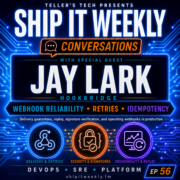
Ship It Conversations: Jay Lark of Hookbridge on Webhook Reliability, Retries, Idempotency, Replay, HMAC Security, Local Testing, and Operating Webhooks in Production
In this episode, Jay Lark of Hookbridge discusses the complexities of webhooks, including reliability, retries, and security. He explains key concepts like idempotency, event IDs, and the importance of observability in production environments.
Listen wherever you get podcasts
Rep the show — Shop SIW merch.
Never miss an episode
New episodes weekly. Real conversations and news for engineers running production systems.
Find Ship It Weekly on your platform →Work with me
Be a Guest
Want to share your DevOps journey on Ship It Weekly? We're looking for passionate engineers to interview!
Apply to be a Guest →Become a Sponsor
Reach thousands of DevOps, Platform, and Cloud Engineering professionals. Partner with Ship It Weekly!
Talk Sponsorship →Connect with Teller's Tech
Follow the show on the platforms where the conversation actually happens.
Practitioner conversations
Where Brian shows up in practitioner threads: recent Reddit replies from /u/tellerstech across the engineering subreddits. Comments only — episode posts and self-promotion threads are filtered out.
-
Re: Does being in Devops mean no work life balance?
The fact that you’re not even on call and still working 12 hour days is the biggest red flag to me. Thats not normal DevOps.
View thread on Reddit →
I’ve been doing sysadmin/infra for 20+ years and DevOps for around 10. Sure, incidents happen and you’ll have the occasional long day, but it shouldn’t be every day because people keep saying “you have bandwidth.”
To me, that sounds more like a company problem than a DevOps problem. They don’t seem to respect boundaries or burnout.
I’d defi... -
Re: Is devops a viable path to transition to?
First question I’d ask yourself is: do you actually *want* to do DevOps?
View thread on Reddit →
Do you enjoy Linux, deployments, infrastructure, observability, automation, and troubleshooting? Or are you just trying to escape frontend?
If it’s the former, then yeah, I think it’s a solid path. If it’s just because the frontend market is rough, I’d be careful. DevOps has its own challenges and isn’t an “easy” job market either.
I’d also be cautious paying a company for courses because... -
Re: Aspiring DevOps engineer (fresh grad) — how do you actually find/network into startup roles?
I’d spend more time getting around people than just cold applying.
View thread on Reddit →
Look for local meetups, DevOpsDays, cloud/Kubernetes groups, startup events, Slack/Discord communities, LinkedIn events, etc. Startups do post roles, but early-career infra roles are often trust/network driven because giving a junior access to prod/cloud stuff is a little scary.
Cold outreach is fine if it’s not weird. Don’t send a giant essay. Just say you’re a new grad, what you’ve built, why their c... -
Re: Would you still do DevOps?
Yeah I still would.
View thread on Reddit →
Honestly that sounds less like a DevOps problem and more like a company/process problem. If you’re spending all day reviewing AI PRs instead of actually building platforms, improving reliability, and solving interesting problems… yeah I’d burn out too.
I’d probably still choose DevOps. Just maybe not that company 😅 -
Re: Everything we run is in code except our hardened base images, and that one exception has become my whole week
I’d probably treat the base image like any other dependency. Separate repo/pipeline, pin the upstream image by digest, automatically rebuild on upstream updates/CVEs, then publish a new immutable tag. Apps just consume the version they want. Seems like it’d remove a lot of the manual work.
View thread on Reddit → -
Re: Certifications are worth it after all
I think it’s important to qualify this with your experience level and the roles you’re applying for. For junior and maybe mid-level roles, certs can absolutely help get your foot in the door. At the Staff/Principal level though, I’ve rarely seen someone hired because they had a cert. At that point, your track record and experience usually carry a lot more weight than proving you know Kubernetes fundamentals.
View thread on Reddit → -
Re: [ Removed by Reddit ]
We already have FinOps, but honestly the bigger issue is still ownership and hygiene.
View thread on Reddit →
Every resource should have a clear owner, app, env, and reason it exists. If that info isn’t in tags or labels, it turns into a scavenger hunt later.
We also try to keep everything in Terraform and regularly compare what’s actually running against what’s defined in code. That helps catch old test envs, random one-off resources, and stuff nobody remembers creating.
For non-prod, expiration... -
Re: Terraform beginner: How do companies structure and manage Terraform?
There isn’t really one standard “enterprise” Terraform structure. It depends heavily on the company, team size, number of accounts and regions, compliance requirements, and how teams divide ownership.
View thread on Reddit →
A common pattern is to separate reusable modules from the live infrastructure code, then organize the live code by environment, account, and often region.
live/ dev/ us-east-1/ us-west-2/ stage/ us-east-1/ prod/ us-east-1/ us-west-2/
Modules might live in the same repo, sepa...